
Starting off with Payroll Management System: Avoid Costly Mistakes, this introductory paragraph aims to intrigue and inform readers about the importance of avoiding errors in payroll processes.
The following paragraph will delve deeper into the significance of implementing an effective payroll management system.
Importance of a Payroll Management System
Automating payroll processes through a reliable Payroll Management System is crucial for businesses of all sizes. It not only saves time but also reduces the chances of errors that can occur when managing payroll manually.
Efficiency and Accuracy
Implementing a Payroll Management System streamlines the entire payroll process, from calculating wages to generating pay stubs. By automating these tasks, businesses can ensure accuracy in payroll calculations and eliminate the risk of human error.
Compliance and Regulations
A Payroll Management System helps businesses stay compliant with tax laws and regulations by automatically calculating deductions and ensuring timely tax filings. This reduces the risk of penalties and fines due to non-compliance.
Cost Savings
By automating payroll processes, businesses can save on the costs associated with manual payroll management, such as labor hours spent on calculations and potential errors that could result in overpayments. This leads to overall cost savings for the organization.
Employee Satisfaction
Employees benefit from a Payroll Management System through timely and accurate payment processing, leading to improved satisfaction and morale. This can ultimately result in higher retention rates and increased productivity within the organization.
Common Mistakes in Payroll Management
When it comes to manual payroll processing, there are several common mistakes that can lead to costly errors in calculations. These mistakes not only impact the employees but also the organization as a whole.
Incorrect Data Entry
- Entering the wrong hours worked or incorrect pay rates for employees can result in inaccurate paychecks.
- Example: A typo in an employee's hourly rate can lead to underpayment or overpayment, causing dissatisfaction and potential legal issues.
- Impact: Employees may lose trust in the organization's payroll system, leading to decreased morale and productivity.
Missing Deadlines
- Failing to process payroll on time can result in delayed payments to employees.
- Example: Missing the deadline for submitting payroll taxes can lead to penalties and fines for the organization.
- Impact: Employees may face financial difficulties due to late payments, affecting their trust in the company.
Calculation Errors
- Mistakes in calculating overtime pay, deductions, or bonuses can result in incorrect pay amounts.
- Example: Incorrectly calculating overtime hours can lead to underpayment of employees entitled to overtime pay.
- Impact: Employees may feel undervalued and seek legal recourse for unpaid wages, resulting in potential lawsuits against the organization.
Features of an Effective Payroll Management System
An effective payroll management system should have key components that streamline the payroll process, reduce errors, and ensure compliance with regulations. Automation plays a crucial role in error reduction, while integration with accounting systems enhances efficiency and accuracy.
Key Components of a Robust Payroll System
- Automated Payroll Processing: The system should automate calculations for wages, taxes, and deductions to minimize errors and save time.
- Employee Self-Service Portal: Enable employees to access their payroll information, such as pay stubs and tax forms, online.
- Compliance Management: Ensure that the system stays updated with changing tax laws and regulations to avoid penalties.
- Reporting and Analytics: Generate detailed reports on payroll costs, employee hours, and tax filings for better decision-making.
Automation for Error Reduction
Automation in a payroll management system helps in reducing errors by eliminating manual calculations and minimizing data entry mistakes. By automating payroll processing, the system can accurately calculate wages, taxes, and deductions, leading to increased accuracy and efficiency in payroll operations.
Importance of Integration with Accounting Systems
Integrating a payroll management system with accounting software ensures seamless data flow between payroll and accounting functions. This integration streamlines financial processes, eliminates duplicate data entry, and ensures accurate financial reporting. By integrating payroll and accounting systems, organizations can achieve better financial visibility and compliance with accounting standards.
Implementation Best Practices
Implementing a payroll management system successfully requires careful planning and execution. It is essential to follow specific steps to ensure a smooth transition and avoid disruptions in payroll operations.
Training Employees
Employee training is a crucial aspect of implementing a new payroll management system. Providing comprehensive training sessions to all staff members who will be using the system is necessary to ensure they understand how to input data, generate reports, and troubleshoot common issues.
Training can help minimize errors and enhance efficiency in payroll processing.
Data Security and Compliance
Ensuring data security and compliance during the implementation of a payroll management system is vital to protect sensitive employee information and prevent legal issues. Here are some tips to maintain data security and compliance:
- Implement strict access controls to limit who can view and modify payroll data.
- Regularly update the system with the latest security patches and software updates to address vulnerabilities.
- Encrypt sensitive data to prevent unauthorized access.
- Conduct regular audits to ensure compliance with data protection regulations and industry standards.
- Educate employees on best practices for data security and privacy to prevent breaches.
Wrap-Up
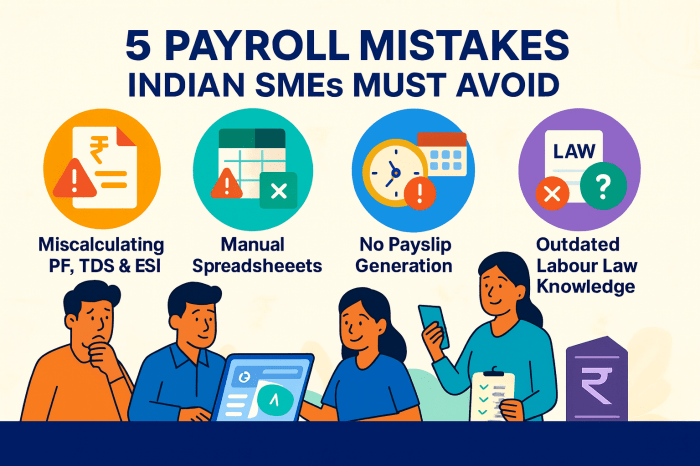
In conclusion, this discussion highlighted the critical need for businesses to steer clear of costly mistakes in their payroll management systems.
FAQ Section
What are the consequences of payroll errors?
Payroll errors can result in financial losses, employee dissatisfaction, and legal issues.
How can automation reduce errors in payroll processing?
Automation minimizes manual intervention, decreasing the likelihood of mistakes and ensuring accuracy.
Why is integration with accounting systems important in a payroll management system?
Integration with accounting systems ensures seamless financial data flow and accurate reporting.