Email Automation Software: Boost Sales on Autopilot sets the stage for this enthralling narrative, offering readers a glimpse into a story that is rich in detail and brimming with originality.
Email automation software simplifies marketing efforts, saving time and increasing efficiency. It's a game-changer for businesses looking to maximize their sales potential effortlessly.
Introduction to Email Automation Software
Email automation software is a tool that allows businesses to send automated emails to their customers based on specific triggers or actions. This technology helps companies streamline their email marketing efforts, saving time and increasing efficiency in reaching their target audience.
Benefits of Email Automation Software
- Personalized Communication: Email automation software enables businesses to send personalized messages to customers based on their behavior or preferences.
- Increased Engagement: By sending timely and relevant emails, businesses can enhance customer engagement and build stronger relationships.
- Time-Saving: Automating email campaigns eliminates the need for manual sending, saving businesses time and resources.
- Improved ROI: With targeted and automated emails, businesses can see higher conversion rates and ultimately increase their return on investment.
Popular Email Automation Software
- Mailchimp: Known for its user-friendly interface and robust features, Mailchimp is a popular choice for businesses of all sizes.
- HubSpot: HubSpot offers a comprehensive marketing platform that includes email automation capabilities along with other marketing tools.
- ActiveCampaign: This software is known for its advanced automation features, segmentation options, and CRM integration.
- Constant Contact: Constant Contact is a reliable option for small businesses looking to automate their email marketing campaigns easily.
Features of Email Automation Software
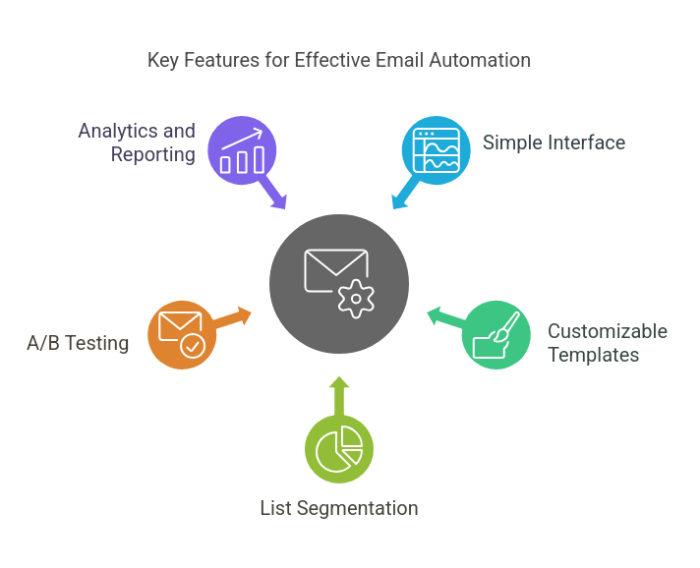
Email automation software comes with a variety of features that can streamline and enhance your email marketing campaigns. Here are some key features to consider:
Segmentation and Personalization
- Segmentation allows you to divide your email list into smaller, targeted groups based on specific criteria such as demographics, behavior, or purchase history.
- Personalization enables you to customize your emails with dynamic content, including the recipient's name, location, or past interactions with your brand.
- By utilizing segmentation and personalization, you can deliver more relevant and engaging content to your subscribers, leading to higher open rates and conversions.
Analytics and Reporting
- Email automation software provides detailed analytics and reporting tools to track the performance of your email campaigns.
- You can measure key metrics such as open rates, click-through rates, and conversion rates to evaluate the success of your campaigns.
- By analyzing this data, you can identify trends, optimize your strategies, and make data-driven decisions to improve the effectiveness of your email marketing efforts.
Setting Up Email Automation Workflows
Setting up email automation workflows is crucial for streamlining your marketing efforts and engaging with your customers effectively. By creating automated email sequences, you can ensure that the right message reaches the right audience at the right time. Here's a guide on how to set up email automation workflows:
Creating Automated Email Workflows
To create automated email workflows, follow these steps:
- Identify your goals: Determine the objectives you want to achieve with your email automation, whether it's lead nurturing, customer onboarding, or re-engagement.
- Segment your audience: Divide your email list into different segments based on demographics, behavior, or preferences to send targeted and personalized messages.
- Create a workflow: Map out the flow of emails you want to send, including the timing, content, and triggers for each message.
- Set up triggers: Define the actions that will trigger the automated emails, such as signing up for a newsletter, making a purchase, or abandoning a cart.
- Design your emails: Craft engaging and relevant content for each email in the sequence to keep your audience interested and drive conversions.
- Test and optimize: Monitor the performance of your email automation workflows, analyze the results, and make adjustments to improve the effectiveness of your campaigns.
Designing Effective Email Sequences
When designing email sequences for different customer segments, consider these tips:
- Personalize the content: Tailor your emails to each segment's preferences, interests, and behaviors to increase engagement and conversions.
- Use a mix of content types: Incorporate a variety of content formats, such as articles, videos, images, and infographics, to keep your emails engaging and informative.
- Automate follow-ups: Set up automated follow-up emails to remind customers about incomplete actions, offer additional information, or provide special promotions.
- Include clear calls-to-action: Encourage recipients to take the desired action by including prominent and compelling CTAs in your emails.
- Analyze and optimize: Track the performance of your email sequences, measure key metrics like open rates and click-through rates, and refine your strategies based on the data.
Integrating Email Automation Software with CRM Systems
When it comes to maximizing the effectiveness of your email marketing campaigns, integrating email automation software with CRM systems can provide numerous benefits. This integration allows for seamless communication between your marketing and sales teams, leading to improved customer relationships and increased sales opportunities.
Streamlining Sales Processes
Integrating email automation software with CRM systems streamlines sales processes by ensuring that all customer interactions are tracked and recorded in one centralized location. This unified view of customer data enables sales teams to have a comprehensive understanding of each lead's journey, allowing for more personalized and targeted communication.
- Automated Lead Nurturing: By syncing email automation software with CRM systems, you can automatically trigger personalized emails based on lead behavior, ensuring timely and relevant communication.
- Improved Lead Scoring: CRM integration allows for more accurate lead scoring by capturing email engagement metrics and combining them with other customer data, identifying high-quality leads more effectively.
- Enhanced Reporting and Analytics: Integration enables detailed reporting on email performance and lead interactions, providing valuable insights for optimizing marketing strategies and improving sales outcomes.
Popular CRM Systems Compatible with Email Automation Software
| CRM System | Integration |
|---|---|
| Salesforce | Seamless integration with leading email automation tools for enhanced lead management and communication. |
| HubSpot CRM | Offers native integration with HubSpot's email marketing software, ensuring a unified platform for marketing and sales teams. |
| Zoho CRM | Provides integration with various email automation platforms to streamline customer data management and communication processes. |
Increasing Sales with Email Automation
Utilizing email automation can be a powerful tool for boosting sales and driving conversions. By implementing effective strategies and creating compelling content, businesses can optimize their email campaigns for better results.
Utilize Personalization
Personalizing emails based on customer preferences and behaviors can significantly increase engagement and ultimately drive more sales. Tailoring content to specific segments of your audience can make your emails more relevant and impactful.
Implement Triggered Emails
Triggered emails are automated messages sent in response to specific actions taken by customers, such as signing up for a newsletter or making a purchase. By setting up triggered emails, you can deliver timely and relevant content that guides customers through the sales funnel.
Optimize Email Content
Creating compelling email content is essential for driving conversions. Use attention-grabbing subject lines, clear call-to-actions, and relevant visuals to engage recipients and encourage them to take action. A well-designed email can significantly impact sales.
Utilize A/B Testing
A/B testing involves creating two versions of an email campaign and testing them against each other to see which performs better. By experimenting with different subject lines, content layouts, and calls-to-action, businesses can optimize their email campaigns for better results and increased sales.
Final Summary
In conclusion, Email Automation Software: Boost Sales on Autopilot revolutionizes the way businesses approach marketing, paving the path for increased sales and customer engagement. Dive into the world of automated marketing and witness your sales soar to new heights.
Commonly Asked Questions
How can email automation software benefit businesses?
Email automation software streamlines marketing efforts, saves time, and increases efficiency, ultimately boosting sales and customer engagement.
What are some key features of email automation software?
Key features include automated workflows, segmentation, personalization, analytics, and reporting tools to enhance email marketing campaigns.
How can A/B testing optimize email campaigns?
A/B testing allows marketers to compare different email variations to determine which performs better, leading to optimized campaigns and improved results.