Embarking on the journey of exploring High-voltage arc flash injury attorney, this introductory paragraph aims to intrigue and inform the readers, shedding light on the crucial aspects of this legal domain.
Delving deeper into the complexities of high-voltage arc flash injuries and the pivotal role that attorneys play in seeking justice and compensation for victims.
Introduction to High-voltage Arc Flash Injury Attorney
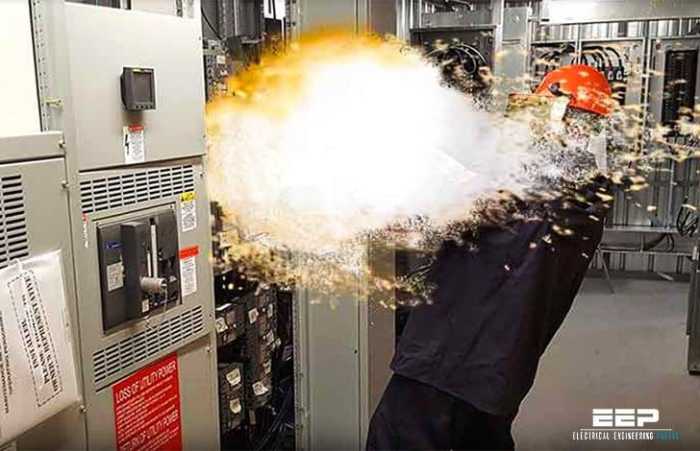
High-voltage arc flash injuries are serious electrical accidents that can occur when a high-voltage current passes through the air, creating an arc. These incidents can result in severe burns, internal injuries, and even death. In the legal context, high-voltage arc flash injuries can lead to complex litigation involving multiple parties, including employers, equipment manufacturers, and insurance companies.
Role of an Attorney in High-voltage Arc Flash Injury Cases
Attorneys specializing in high-voltage arc flash injuries play a crucial role in representing victims or their families in seeking compensation for damages incurred. They are responsible for investigating the incident, gathering evidence, and building a strong case to hold the responsible parties accountable.
Attorneys also negotiate settlements or represent clients in court to ensure they receive fair compensation for their injuries.
Importance of Seeking Legal Representation
Seeking legal representation in cases of high-voltage arc flash injuries is essential to navigate the complex legal processes involved in these types of accidents. Attorneys have the expertise and experience to handle the intricacies of such cases, ensuring that victims receive the compensation they deserve.
Additionally, legal representation provides victims with the necessary support and guidance during a challenging time, helping them focus on their recovery without worrying about legal matters.
Qualifications and Expertise
When it comes to representing clients in high-voltage arc flash injury cases, attorneys need to possess specific qualifications and expertise to navigate the complexities of these types of legal matters.
Legal Expertise in Personal Injury Law
- A strong background in personal injury law is essential for attorneys handling high-voltage arc flash injury cases. Understanding the nuances of personal injury claims and litigation is crucial for securing favorable outcomes for clients.
- Knowledge of relevant state and federal laws pertaining to workplace safety, negligence, and liability is also vital in these cases.
Experience in High-Voltage Arc Flash Cases
- Attorneys with experience in handling high-voltage arc flash injury cases bring valuable insights and strategies to the table. They are familiar with the common challenges and intricacies associated with these cases.
- Having a track record of successful outcomes in similar cases demonstrates an attorney's ability to effectively advocate for their clients and navigate the complexities of high-voltage arc flash injury litigation.
Specific Certifications and Training
- Obtaining certifications related to personal injury law or workplace safety can enhance an attorney's credibility and expertise in high-voltage arc flash injury cases.
- Training in electrical safety standards and regulations, as well as familiarity with industry best practices, can provide attorneys with the knowledge necessary to build strong cases on behalf of their clients.
Legal Process and Procedures
When filing a high-voltage arc flash injury case, it is crucial to understand the legal process involved, from the initial consultation to the final settlement or trial. This process requires thorough documentation and evidence to support the case and establish liability.
Initial Consultation
During the initial consultation with a high-voltage arc flash injury attorney, the details of the incident will be discussed. This includes gathering information about the circumstances surrounding the accident, the extent of the injuries sustained, and the potential liable parties involved.
Evidence Collection
After the initial consultation, the attorney will begin collecting evidence to support the case. This may include obtaining medical records, witness statements, accident reports, and any other documentation relevant to the incident. It is crucial to gather as much evidence as possible to strengthen the case.
Filing the Lawsuit
Once all necessary evidence has been collected, the attorney will file the lawsuit on behalf of the injured party. The lawsuit will Artikel the details of the incident, the injuries sustained, and the damages sought for compensation. The defendant will then be served with the lawsuit.
Discovery Process
During the discovery process, both parties exchange information and evidence relevant to the case. This may involve depositions, interrogatories, and requests for documents. The goal is to gather all relevant information to prepare for trial or settlement negotiations.
Negotiations and Settlement
In many cases, high-voltage arc flash injury cases are resolved through settlement negotiations. The attorney will work with the opposing party to reach a fair settlement that compensates the injured party for their damages. If a settlement cannot be reached, the case may proceed to trial.
Trial
If the case goes to trial, both parties will present their evidence and arguments before a judge and/or jury. The outcome of the trial will determine the compensation awarded to the injured party. It is essential to have a skilled attorney who can effectively present the case in court.
Compensation and Damages
When high-voltage arc flash injuries occur, victims may be entitled to various types of compensation to help cover their losses and damages. Understanding how these compensations are calculated and what successful outcomes look like is crucial for those pursuing legal action.
Types of Compensation Available
- Medical expenses: This includes coverage for all medical treatments, surgeries, therapies, and medications related to the injury.
- Lost wages: Victims can receive compensation for any income lost due to the injury, including future earning potential if the injury has long-term effects.
- Pain and suffering: Compensation for the physical pain and emotional distress caused by the accident can also be awarded.
- Disability benefits: If the injury results in a permanent disability, victims may be entitled to additional compensation for ongoing care and support.
Calculating Damages
In high-voltage arc flash injury cases, damages are typically calculated based on the severity of the injury, the impact on the victim's life, and the negligence of the party responsible for the accident. Factors such as medical bills, lost wages, and the extent of pain and suffering are taken into consideration when determining the final compensation amount.
Successful Compensation Outcomes
There have been cases where victims of high-voltage arc flash injuries have received substantial compensation for their losses. For example, a worker who suffered severe burns and permanent disability due to an arc flash incident was awarded a significant settlement to cover medical expenses, lost income, and ongoing care needs.
These successful outcomes highlight the importance of seeking legal representation to ensure fair compensation for the damages incurred.
Case Studies and Precedents
In the realm of high-voltage arc flash injuries, examining case studies and legal precedents is crucial to understanding the complexities of such cases and the legal landscape surrounding them.
Case Study 1: Johnson v. Power Utility Company
- Mr. Johnson, an electrician, suffered severe burns due to an arc flash incident while working on high-voltage equipment owned by the Power Utility Company.
- The case highlighted the importance of proper safety measures and training in preventing arc flash injuries in the workplace.
- The court ruled in favor of Mr. Johnson, awarding him compensation for medical expenses, lost wages, and pain and suffering.
Legal Precedent: OSHA Regulations
- OSHA regulations play a significant role in shaping high-voltage arc flash injury cases by setting safety standards for employers and employees.
- Violations of OSHA regulations related to arc flash incidents can lead to legal consequences for employers, including fines and penalties.
- Compliance with OSHA standards is essential in preventing workplace accidents and ensuring the safety of workers in high-voltage environments.
Case Study 2: Smith v. Construction Company
- Ms. Smith, a construction worker, suffered a high-voltage arc flash injury while working on a construction site due to faulty equipment maintained by the Construction Company.
- The case highlighted the liability of employers in ensuring the safety of their workers and maintaining proper equipment to prevent accidents.
- The legal precedent set by this case emphasized the duty of care that employers owe to their employees in high-risk work environments.
Client Testimonials and Reviews
Client testimonials play a crucial role in helping individuals choose the right attorney, especially when dealing with high-voltage arc flash injuries. These testimonials provide insights into the experiences of past clients and can give potential clients a better understanding of what to expect when working with a particular attorney.Reviews and feedback can greatly impact the reputation of an attorney specializing in high-voltage arc flash injuries.
Positive reviews can help build trust and credibility, while negative reviews can deter potential clients. It is important for attorneys to maintain a positive reputation through excellent client service and successful case outcomes.
Examples of Positive Experiences
- A client praised the attorney for their in-depth knowledge of high-voltage arc flash injuries and their dedication to seeking justice for victims.
- Another client highlighted the attorney's strong negotiation skills, which resulted in a significant compensation payout for their injuries.
- A client expressed gratitude for the attorney's compassionate approach and constant communication throughout the legal process, making them feel supported and informed every step of the way.
Legal Resources and Support
When dealing with high-voltage arc flash injuries, it is crucial to have access to the right legal resources and support. Attorneys specializing in these cases can offer valuable assistance to victims and their families, guiding them through the legal process and helping them seek the compensation they deserve.
Legal Resources
- Legal firms specializing in personal injury cases involving high-voltage arc flash injuries
- Bar associations and legal aid organizations offering resources and referrals
- Online legal directories to find experienced attorneys in this field
Support Systems
Attorneys handling high-voltage arc flash injury cases often provide support systems to victims and their families. This may include:
- Emotional support and guidance throughout the legal process
- Access to medical experts for proper evaluation and treatment
- Financial assistance for legal fees and expenses
Community Organizations and Legal Aid Services
In addition to legal firms, there are community organizations and legal aid services that specialize in high-voltage arc flash injury cases. These organizations can provide:
- Free or low-cost legal assistance to individuals in need
- Educational resources on workplace safety and prevention of arc flash incidents
- Networking opportunities with other victims and families for support and advocacy
Outcome Summary
Wrapping up our discussion on High-voltage arc flash injury attorney, the concluding paragraph encapsulates the key points discussed, leaving readers with a comprehensive understanding of this specialized legal field.
Quick FAQs
What are the common legal implications of high-voltage arc flash injuries?
The legal implications of high-voltage arc flash injuries can include liability issues, workers' compensation claims, and potential negligence lawsuits.
What qualifications and expertise should an attorney specializing in high-voltage arc flash injuries possess?
An attorney in this field should have experience in personal injury law, knowledge of electrical engineering principles, and a track record of successful case outcomes.
How are damages typically calculated in high-voltage arc flash injury cases?
Damages in these cases are calculated based on factors such as medical expenses, lost wages, pain and suffering, and long-term disability resulting from the injury.
Are there specific certifications or training programs that benefit attorneys handling high-voltage arc flash injury cases?
Certifications in personal injury law, electrical safety, and specialized training in handling workplace injury cases can be advantageous for attorneys in this field.