Exploring the realm of Commercial Insurance Policy: What Coverage Do You Really Need?, this introduction sets the stage for an insightful journey into the nuances of essential coverage for businesses. The blend of informative content and engaging storytelling makes for a compelling read, appealing to both seasoned professionals and newcomers in the field.
The subsequent paragraphs will delve deeper into the intricacies of commercial insurance policies, shedding light on crucial aspects that every business owner should consider.
Understanding Commercial Insurance Policies
Commercial insurance policies are designed to protect businesses from financial losses due to various risks and liabilities. These policies provide coverage for a wide range of potential threats that could impact a business's operations, assets, and employees.
Types of Coverage in a Commercial Insurance Policy
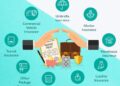
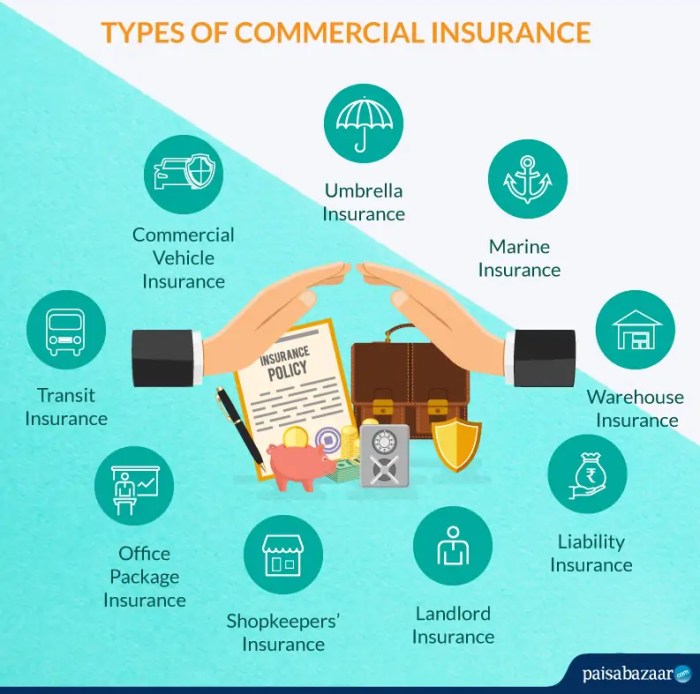
- General Liability Insurance: Covers claims of bodily injury, property damage, and advertising injury.
- Property Insurance: Protects against damage or loss of physical assets like buildings, equipment, and inventory.
- Commercial Auto Insurance: Provides coverage for vehicles used for business purposes.
- Workers' Compensation Insurance: Covers medical expenses and lost wages for employees injured on the job.
- Professional Liability Insurance: Protects against claims of negligence or errors in professional services.
Importance of Tailored Commercial Insurance Policies
Having a tailored commercial insurance policy is crucial for businesses as it ensures that they have the right level of coverage for their specific needs. Off-the-shelf policies may not provide adequate protection for unique risks that your business faces. By customizing your policy, you can ensure that you are adequately covered and prepared for any unforeseen events that could threaten your business's financial stability.
Essential Coverage for Commercial Insurance Policies
Commercial insurance policies offer a variety of coverage options to protect businesses from potential risks and losses. Understanding the key coverage options available is crucial for ensuring adequate protection for your business.Property Damage Coverage:Property damage coverage protects your business property, including buildings, equipment, inventory, and furniture, from damages caused by events such as fire, theft, vandalism, or natural disasters.
It helps cover the cost of repairs or replacement of damaged property, ensuring your business can continue operating smoothly.Liability Coverage:Liability coverage protects your business from legal claims and lawsuits filed by third parties for bodily injury or property damage caused by your business operations.
It helps cover legal fees, settlements, and court costs, providing financial protection in the event of a liability claim.Business Interruption Coverage:Business interruption coverage helps compensate for lost income and extra expenses if your business operations are temporarily disrupted due to a covered event, such as a fire or natural disaster.
It can help cover ongoing expenses, payroll, and other financial obligations while your business is unable to operate.
Comparing Coverage Levels
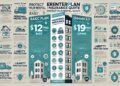
- Basic Coverage: Provides essential protection for property damage and liability, but may have lower coverage limits and fewer additional benefits.
- Standard Coverage: Offers a more comprehensive level of protection, including higher coverage limits and additional coverage options for specific risks.
- Enhanced Coverage: Provides the highest level of protection with increased coverage limits, additional benefits, and customization options to meet the unique needs of your business.
Examples of Coverage Scenarios
- Property Damage: If a fire breaks out in your office building, property damage coverage would help cover the cost of repairing the building and replacing damaged equipment.
- Liability: If a customer slips and falls in your store, liability coverage would help cover the medical expenses and legal fees associated with the injury claim.
- Business Interruption: If a hurricane causes your business to close for a week, business interruption coverage would help cover the lost income and ongoing expenses during the closure.
Tailoring Coverage to Your Business Needs
When it comes to commercial insurance, one size does not fit all. It's essential to tailor your coverage to your business's specific needs to ensure you are adequately protected. Assessing your business's unique risks and vulnerabilities is the first step in designing a customized insurance policy.
Assessing Your Business’s Specific Insurance Needs
- Identify your industry: Different industries face different risks, so it's crucial to understand the specific risks associated with your line of work.
- Assess your assets: Take stock of your business assets, including property, equipment, and inventory, to determine the level of coverage needed to protect them.
- Evaluate potential liabilities: Consider potential liabilities your business may face, such as lawsuits, property damage, or data breaches, and ensure your policy includes adequate liability coverage.
- Review regulatory requirements: Some industries have specific insurance requirements mandated by law, so make sure your policy meets all regulatory standards.
Designing a Checklist for Coverage Assessment
Creating a checklist can streamline the process of determining the coverage required for your industry.
- Property insurance: Protect your physical assets, including buildings, equipment, and inventory, against damage or loss.
- General liability insurance: Safeguard your business against claims of bodily injury, property damage, or personal injury.
- Professional liability insurance: Cover errors, omissions, or negligence in professional services provided by your business.
- Workers' compensation insurance: Provide coverage for employees' medical expenses and lost wages in case of work-related injuries or illnesses.
- Business interruption insurance: Ensure financial protection in case your business operations are disrupted due to unforeseen events.
Customizing Your Commercial Insurance Policy
- Bundle coverage options: Consider bundling different types of coverage from a single insurer to potentially save on premiums.
- Add endorsements or riders: Tailor your policy by adding endorsements or riders to address specific risks not covered by standard policies.
- Regularly review and update: As your business evolves, make sure to review and update your insurance policy to reflect any changes in operations, assets, or risks.
Additional Coverage to Consider
When it comes to commercial insurance policies, it's essential to consider additional coverage options that can provide extra protection for your business. These optional endorsements or riders can help enhance your coverage and safeguard your business from various risks.
Cyber Insurance
Cyber insurance is becoming increasingly important as businesses rely more on digital technology. This specialized coverage can help protect your business from cyber-attacks, data breaches, and other cyber threats. It typically covers expenses related to data recovery, notification costs, legal fees, and more in the event of a cyber incident.
Professional Liability Insurance
Professional liability insurance, also known as errors and omissions insurance, is crucial for businesses that provide services or advice. This coverage can protect your business from claims of negligence, errors, or omissions that result in financial losses for clients. It can cover legal fees, settlements, and damages awarded in such claims.
Commercial Auto Insurance
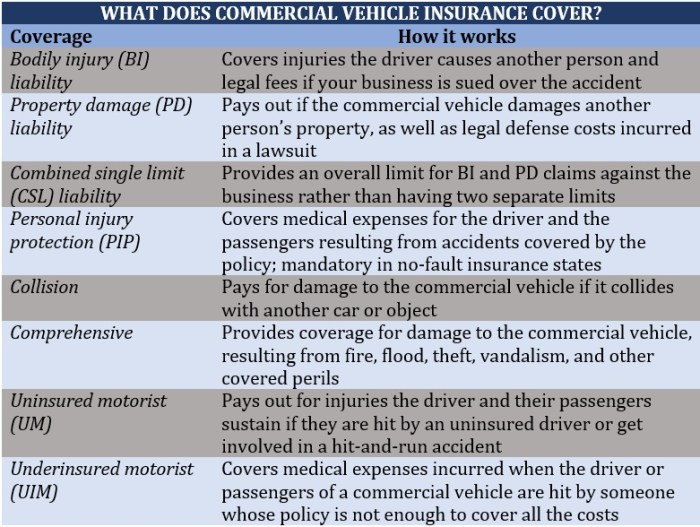
If your business owns vehicles or uses them for work-related purposes, commercial auto insurance is essential. This coverage can protect your company vehicles, drivers, and passengers in the event of accidents, theft, or other incidents. It typically covers liability, collision, comprehensive, and uninsured/underinsured motorist coverage.
Outcome Summary
Bringing our discussion to a close, this summary encapsulates the key points discussed and leaves readers with a heightened awareness of the importance of selecting the right coverage for their business. The journey through the realm of commercial insurance policies has been enlightening, offering valuable insights for making informed decisions in the future.
Common Queries
What factors determine the cost of a commercial insurance policy?
The cost of a commercial insurance policy is influenced by factors such as the type of coverage needed, the size and nature of the business, location, claims history, and industry risks. Insurers assess these variables to determine the premium.
Is it necessary to have cyber insurance as part of a commercial insurance policy?
In today's digital age, cyber insurance is becoming increasingly crucial for businesses. It provides coverage for cyberattacks, data breaches, and other cyber risks that traditional insurance policies may not cover. Depending on your business's online presence and data sensitivity, cyber insurance could be a valuable addition to your commercial insurance policy.
What is the importance of business interruption coverage in a commercial insurance policy?
Business interruption coverage helps businesses recover lost income and cover ongoing expenses if they are unable to operate due to a covered peril, such as a fire or natural disaster. It ensures financial stability during times of disruption, allowing the business to resume normal operations without major financial setbacks.