In the realm of Cyber Security Services Company: How to Protect Your Data, readers are invited into a world where knowledge reigns supreme, offering a captivating and original reading experience.
The next paragraph provides detailed and informative content on the topic.
Introduction to Cyber Security Services Company
Cyber security services encompass a range of practices and technologies designed to protect networks, systems, and data from cyber threats. In today's increasingly digital world, the importance of cyber security services cannot be overstated. As cyber attacks become more sophisticated and prevalent, the need for professional cyber security services is growing rapidly.
The Role of a Cyber Security Services Company
- A cyber security services company plays a crucial role in safeguarding organizations' sensitive information and systems from cyber threats.
- These companies offer a range of services such as network security, endpoint protection, threat intelligence, and incident response.
- By leveraging advanced technologies and expertise, cyber security services companies help prevent, detect, and respond to cyber attacks effectively.
The Growing Need for Professional Cyber Security Services
- With the rise of remote work, cloud computing, and IoT devices, the attack surface for cyber criminals has expanded, making organizations more vulnerable to cyber threats.
- Professional cyber security services are essential for businesses of all sizes to mitigate risks, comply with regulations, and maintain customer trust.
- As cyber attacks continue to evolve in complexity and frequency, the demand for skilled cyber security professionals and specialized services is on the rise.
Types of Cyber Security Services Offered
Cyber security services play a crucial role in safeguarding sensitive data and preventing unauthorized access. Companies offer a range of services to address different aspects of cyber threats and vulnerabilities.
Network Security
Network security services focus on protecting the integrity and confidentiality of data as it travels across networks. This includes implementing firewalls, intrusion detection systems, and virtual private networks (VPNs) to secure data transmissions and prevent unauthorized access.
Endpoint Security
Endpoint security services involve securing individual devices such as laptops, desktops, and mobile devices. This includes installing antivirus software, endpoint encryption, and implementing security patches to protect against malware and other cyber threats.
Cloud Security
Cloud security services are designed to protect data stored in cloud environments. This includes ensuring data encryption, access controls, and monitoring for any unauthorized activities within cloud platforms to prevent data breaches and ensure compliance with data protection regulations.
Incident Response and Recovery
Incident response and recovery services focus on preparing for and responding to cyber security incidents. This includes developing incident response plans, conducting forensic investigations, and restoring systems and data in the event of a breach to minimize the impact on the organization.
Security Awareness Training
Security awareness training services aim to educate employees about cyber security best practices and raise awareness about common threats such as phishing attacks. By training employees to recognize and report suspicious activities, organizations can strengthen their overall security posture and reduce the risk of data breaches.
Managed Security Services
Managed security services involve outsourcing the management of security measures to a third-party provider. This can include 24/7 monitoring, threat intelligence analysis, and incident response services to enhance an organization's security capabilities and provide round-the-clock protection against cyber threats.
Importance of Data Protection
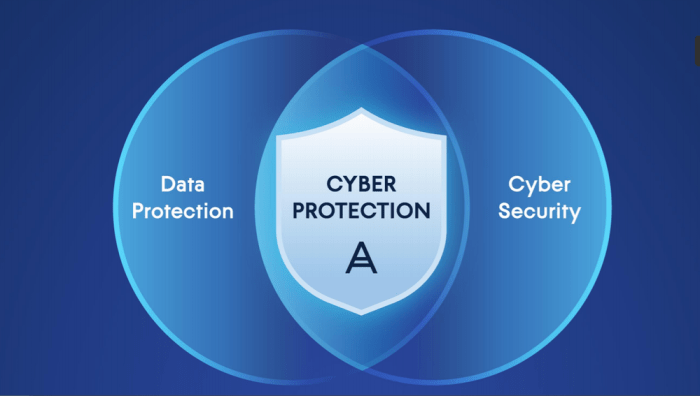
In today's digital age, data protection is more crucial than ever before. With the increasing reliance on technology and the internet for conducting business, communicating, and storing information, safeguarding data has become a top priority for organizations and individuals alike.
Risks and Threats to Data Security
- Malware and Ransomware Attacks: Cybercriminals use malicious software to gain unauthorized access to sensitive data, encrypt it, and demand a ransom for its release.
- Phishing Scams: Fraudulent emails or messages are sent to trick individuals into revealing their personal or financial information.
- Data Breaches: Unauthorized access to databases or systems can lead to the exposure of confidential information, such as customer records or intellectual property.
Consequences of Data Breaches
- Financial Loss: Companies may face hefty fines, legal fees, and compensation costs following a data breach.
- Reputation Damage: Data breaches can severely damage a company's reputation and erode customer trust, leading to loss of business.
- Identity Theft: Individuals whose personal information is compromised in a data breach may become victims of identity theft and financial fraud.
Strategies for Data Protection
Data protection is crucial in today's digital age where cyber threats are constantly evolving. Implementing the right strategies can help safeguard your sensitive information and prevent unauthorized access. One of the key practices for securing data against cyber threats is the concept of defense-in-depth.
Defense-in-Depth and its Relevance to Data Protection
Defense-in-depth is a cybersecurity strategy that involves deploying multiple layers of security controls to protect your data. By implementing a combination of preventive, detective, and corrective measures, organizations can create a more robust defense mechanism against cyber threats. This approach ensures that even if one layer is breached, there are additional safeguards in place to prevent further damage.
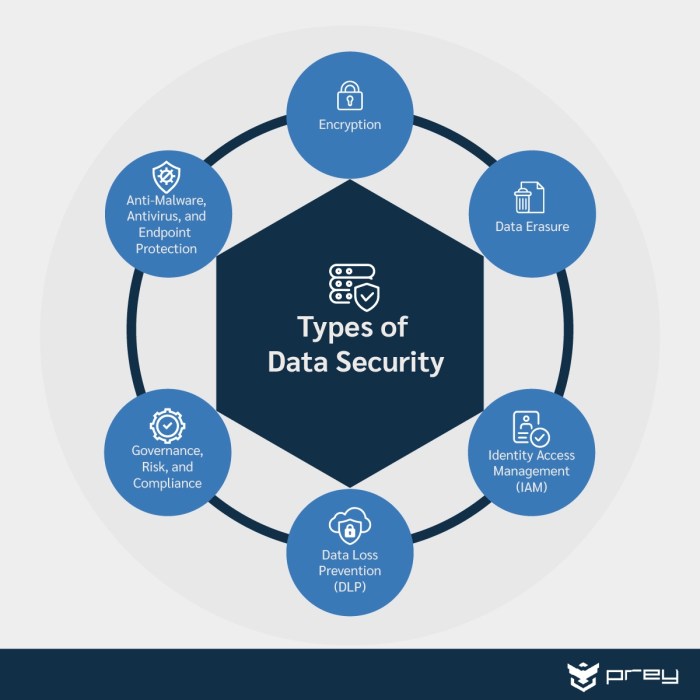
- Encryption: Encryption is a powerful tool for safeguarding data both at rest and in transit. By converting data into an unreadable format that can only be accessed with the right decryption key, organizations can ensure that even if data is intercepted, it remains secure.
- Access Controls: Implementing strong access controls is essential for limiting who can access sensitive information within an organization. By setting up user permissions and authentication protocols, organizations can prevent unauthorized users from viewing or modifying data.
- Regular Audits: Conducting regular audits of your systems and data can help identify vulnerabilities and ensure compliance with security policies. By reviewing access logs, monitoring for unusual activity, and conducting penetration testing, organizations can proactively address any security gaps.
Choosing a Cyber Security Services Company
When it comes to selecting a cyber security services provider, there are several key factors to consider to ensure that your data is protected effectively.
Factors to Consider
- Reputation: Look for a company with a strong track record and positive reviews from previous clients.
- Expertise: Ensure that the company has experience in dealing with your specific industry and the type of threats you may face.
- Customization: Choose a provider that offers customized solutions tailored to your unique needs and requirements.
- 24/7 Support: Opt for a company that provides round-the-clock support to address any security issues promptly.
Pricing Models and Service Offerings
- Compare the pricing models of different companies to find one that fits your budget while still offering comprehensive security services.
- Look for companies that provide a range of services, such as threat monitoring, incident response, and vulnerability assessments.
- Consider whether the company offers flexible packages that can be scaled up or down based on your evolving security needs.
Certifications and Experience
- Check if the company holds relevant certifications in the field of cyber security, such as CISSP or CISM, to ensure that they meet industry standards.
- Look for a provider with a team of experienced professionals who have a proven track record in protecting data and mitigating security risks.
- Consider the company's experience in handling data breaches and their ability to respond effectively in case of an incident.
Case Studies and Success Stories
In this section, we will delve into real-world examples of how cyber security services companies have successfully protected data, as well as analyze case studies of data breaches and the role of cyber security services in mitigating risks. Additionally, we will highlight success stories of companies that have significantly improved their data security through professional cyber security services.
Case Study 1: Company A
Company A, a leading financial institution, faced a sophisticated cyber attack that aimed to steal sensitive customer data. However, thanks to the robust cyber security measures implemented by their chosen cyber security services provider, the attack was swiftly detected and thwarted, preventing any data breach and safeguarding the company's reputation.
Case Study 2: Company B
On the other hand, Company B neglected to invest in adequate cyber security services and fell victim to a ransomware attack that encrypted critical business data. The company suffered significant financial losses and reputational damage before seeking professional cyber security services to recover their data and strengthen their defenses against future attacks.
Success Story: Company C
Company C, a global e-commerce giant, partnered with a top-tier cyber security services company to enhance their data protection strategies. Through proactive threat monitoring, timely incident response, and employee training programs, Company C successfully defended against numerous cyber threats and maintained a strong security posture, earning the trust of their customers and stakeholders.
Summary
Concluding with a summary that encapsulates the essence of the discussion, leaving readers with compelling final thoughts.
FAQ Corner
What are the key factors to consider when selecting a cyber security services provider?
Key factors include experience, certifications, pricing models, and service offerings.
What is the role of encryption in safeguarding data?
Encryption plays a crucial role in protecting data by encoding information to make it unreadable without the right decryption key.
How do cyber security services contribute to data protection?
Cyber security services help in identifying vulnerabilities, implementing security measures, and responding to incidents to enhance data protection.