Starting off with Renters Insurance Quotes: Cheap Plans That Actually Cover You, this opening paragraph aims to grab the readers' attention and provide a brief overview of the topic in a captivating manner.
The following paragraph will delve deeper into the details and intricacies of renters insurance quotes and coverage.
Understanding Renters Insurance
Renters insurance is a type of insurance policy that provides coverage for tenants who rent their living space. It is designed to protect personal belongings, provide liability coverage, and offer additional living expenses in case of a covered loss.
What Renters Insurance Covers
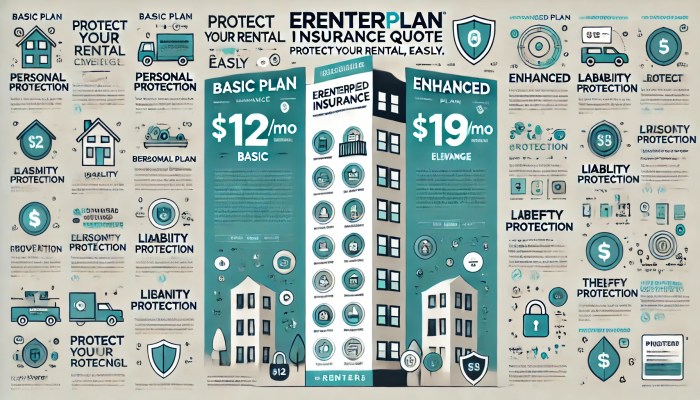
Renters insurance typically covers personal belongings, liability protection, and additional living expenses. Personal belongings coverage includes items such as furniture, electronics, clothing, and jewelry, in case of theft, damage, or loss. Liability protection helps cover legal expenses if someone is injured in your rental property.
Additional living expenses coverage helps with temporary housing and expenses if your rental becomes uninhabitable due to a covered loss.
The Importance of Renters Insurance for Tenants
Renters insurance is important for tenants because it provides financial protection and peace of mind. In the event of a fire, theft, or other covered loss, renters insurance can help replace personal belongings, cover medical expenses for injuries on the property, and protect against lawsuits.
Without renters insurance, tenants may face significant financial burdens and stress in unexpected situations.
Examples of Situations Where Renters Insurance is Beneficial
- If your apartment is broken into and valuable items are stolen
- If a fire in your rental unit damages your personal belongings
- If a guest is injured in your rental and you are found liable for medical expenses
Difference Between Renters Insurance and Homeowners Insurance
Renters insurance is specifically designed for tenants who rent their living space, while homeowners insurance is for homeowners who own their property. Renters insurance covers personal belongings, liability protection, and additional living expenses, while homeowners insurance includes dwelling coverage for the structure of the home.
Homeowners insurance also typically has higher coverage limits and may include coverage for natural disasters like earthquakes and floods.
Factors Affecting Renters Insurance Quotes
When it comes to renters insurance quotes, several key factors come into play that can influence the cost of your policy. Understanding these factors can help you make informed decisions when selecting a plan that suits your needs and budget.
Location Impact on Rates
The location of your rental property plays a significant role in determining renters insurance rates. Areas prone to natural disasters or high crime rates may result in higher premiums due to increased risk. Conversely, living in a safe neighborhood with low crime rates can lead to lower insurance costs.
Coverage Limits and Deductibles
The coverage limits and deductibles you choose will directly impact the cost of your renters insurance policy. Higher coverage limits and lower deductibles typically result in higher premiums, while lower coverage limits and higher deductibles can lead to lower monthly costs.
It's essential to strike a balance between adequate coverage and affordability.
Comparing Quotes from Different Providers
When shopping for renters insurance, it's crucial to compare quotes from various providers to find the best coverage at the most competitive price. Consider factors such as coverage options, deductibles, discounts, and customer service reputation when evaluating different quotes. Remember, the cheapest option may not always provide the necessary protection, so it's essential to weigh both cost and coverage when making your decision.
Types of Cheap Plans
When it comes to renters insurance, there are various types of cheap plans available to suit different needs and budgets. These plans offer coverage for personal belongings, liability protection, and additional living expenses in case of a covered event.
Basic Renters Insurance Plans
- Basic renters insurance plans typically cover personal belongings, liability protection, and additional living expenses.
- These plans are budget-friendly and provide essential coverage for renters.
- Examples of basic renters insurance plans include State Farm's Basic Renters Insurance and Lemonade's Standard Renters Insurance.
Add-On Coverage Options
- Renters can enhance their protection by adding on extra coverage options to their insurance plan.
- Add-on coverage options may include coverage for high-value items, identity theft protection, or pet liability coverage.
- Companies like Allstate and Nationwide offer customizable renters insurance plans with various add-on options.
Budget-Friendly Renters Insurance Plans
- Some insurance companies offer budget-friendly renters insurance plans that provide comprehensive coverage at an affordable price.
- Examples of budget-friendly renters insurance plans include GEICO's Renters Insurance and Progressive's Renters Insurance.
- These plans are designed to meet the needs of renters who are looking for affordable coverage without compromising on protection.
Ensuring Adequate Coverage
When it comes to renters insurance, ensuring adequate coverage for your personal belongings is crucial for protecting your assets in case of unexpected events like theft, fire, or natural disasters. Assessing the value of your possessions and selecting the right coverage amount can make a significant difference when filing a claim.
Assessing Personal Property
- Start by creating an inventory of all your personal belongings, including furniture, electronics, clothing, and valuables.
- Assign value to each item based on its current market price or replacement cost.
- Consider adding up the total value of all your belongings to determine the coverage amount you need.
Determining Appropriate Coverage Amount
- Take into account the total value of your possessions, including high-value items like jewelry or electronics.
- Factor in the potential cost of replacing all your belongings in case of a total loss.
- Consult with your insurance provider to understand the coverage options available and choose a plan that meets your needs.
Inventorying Personal Belongings
- Create a detailed list of all your possessions, including descriptions, photos, and receipts if possible.
- Store this inventory in a safe place outside your home, such as a cloud storage service or a safety deposit box.
- Update your inventory regularly to reflect any new purchases or changes in the value of your belongings.
Ensuring Coverage for Potential Risks
- Review your insurance policy to understand what risks are covered and excluded from your plan.
- Add endorsements or additional coverage options for specific risks that may not be included in your standard policy.
- Consider factors like your location, the value of your possessions, and your lifestyle when determining the level of coverage you need.
Finding the Right Balance
Finding the right balance between cost and coverage is crucial when selecting a renters insurance plan. It's essential to ensure you are adequately protected without overspending. Here are some strategies to help you achieve this balance:
Comparing Quotes from Different Providers
- Obtain quotes from multiple insurance providers to compare prices and coverage options.
- Consider the reputation and financial stability of the insurance companies to ensure they can fulfill their promises.
- Look for discounts or bundled packages that can help reduce the overall cost of your renters insurance.
Negotiating with Insurance Companies
- Don't be afraid to negotiate with insurance companies to get the best deal.
- Ask about available discounts or ways to lower your premium without sacrificing coverage.
- Highlight your good credit score or security features in your rental property to potentially lower your rates.
Last Recap
Wrapping up the discussion on renters insurance quotes and coverage, this concluding paragraph will summarize the key points and leave readers with food for thought.
Common Queries
What does renters insurance cover?
Renters insurance typically covers personal belongings, liability protection, additional living expenses, and medical payments.
How do location impact renters insurance rates?
Location can affect rates due to crime rates, weather risks, and proximity to fire stations.
What are add-on coverage options for renters insurance?
Add-ons can include coverage for high-value items, identity theft, or pet liability.
How to determine the appropriate coverage amount for renters insurance?
It's important to assess the value of your belongings and potential liability risks to determine the right coverage level.
How to negotiate with insurance companies for a better deal?
Research different providers, compare quotes, and leverage any discounts or bundling options to negotiate a better deal.