Delving into the world of annuity payments, this article explores the potential benefits and pitfalls of selling these financial assets. Get ready to uncover whether selling your annuity payment is a wise decision or a risky move.
Exploring the different types of annuity payments and the factors to consider before making a decision, this discussion aims to provide clarity on this complex financial topic.
Introduction to Annuity Payments
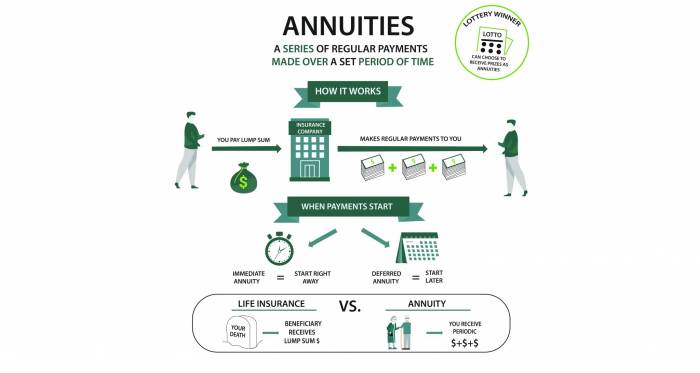
Annuity payments are a series of regular payments made to an individual, typically on a monthly or yearly basis, in exchange for a lump sum investment. These payments are often used as a source of income during retirement or as a way to receive a steady stream of cash flow over a period of time.
Types of Annuity Payments
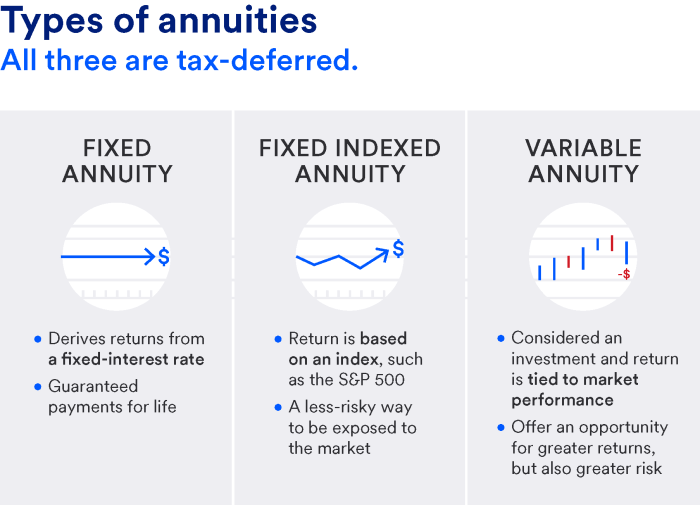
Annuity payments come in various forms, each with its own features and benefits. Here are some common types of annuity payments:
- Fixed Annuities: These annuities offer a guaranteed payout at a fixed interest rate for a specific period of time.
- Variable Annuities: With variable annuities, the payout amount fluctuates based on the performance of the underlying investments.
- Immediate Annuities: Immediate annuities start paying out shortly after the initial investment, providing an instant source of income.
- Deferred Annuities: Deferred annuities allow the investment to grow tax-deferred until the payout phase begins.
Pros and Cons of Selling Annuity Payments

When considering selling annuity payments, it is important to weigh the advantages and disadvantages carefully to make an informed decision.
Advantages of Selling Annuity Payments
- Immediate access to a lump sum of cash, which can be helpful in emergency situations or for making large purchases.
- Ability to invest the cash in potentially higher-return opportunities, such as real estate or starting a business.
- Freedom to use the money as needed, rather than being tied to a fixed schedule of payments.
- Elimination of the risk associated with receiving payments over an extended period of time, such as inflation or changes in the financial market.
Disadvantages of Selling Annuity Payments
- Loss of the steady income stream provided by annuity payments, which could be crucial for long-term financial stability.
- Potential tax implications, as selling annuity payments can result in a tax liability or penalties.
- Transaction fees and other costs associated with selling annuity payments, which can reduce the overall amount received.
- Regret over selling the annuity in the future, especially if the lump sum is not managed wisely or if financial circumstances change.
Comparison of Benefits versus Drawbacks
- The benefits of selling annuity payments provide immediate financial flexibility and the opportunity for higher returns on investment.
- However, the drawbacks include the loss of a guaranteed income stream, potential tax consequences, and additional costs associated with the transaction.
- It is essential for individuals to carefully consider their financial goals and circumstances before deciding whether selling annuity payments is the right choice for them.
Factors to Consider Before Selling Annuity Payments
Before deciding to sell annuity payments, there are several key factors that you should carefully evaluate to make an informed decision. Selling annuity payments can have a significant impact on your financial stability and future, so it's essential to consider the following aspects:
Current Financial Situation
- Assess your current financial needs and goals to determine if selling annuity payments aligns with your overall financial plan.
- Consider any outstanding debts, emergency funds, or upcoming expenses that may influence the decision to sell.
Long-Term Financial Goals
- Evaluate how selling annuity payments will affect your long-term financial goals, such as retirement planning, investments, or savings.
- Determine if selling the annuity will help you achieve these goals faster or if it will hinder your financial progress in the future.
Tax Implications
- Understand the tax consequences of selling annuity payments, including potential tax liabilities or penalties that may arise from the transaction.
- Consult with a tax advisor to assess the impact on your overall tax situation and ensure you are prepared for any tax obligations.
Future Income Needs
- Consider how selling annuity payments will impact your future income needs, such as covering living expenses, healthcare costs, or other financial obligations.
- Evaluate if selling the annuity will provide you with sufficient income to support your lifestyle and financial well-being in the long run.
Risks and Benefits
- Weigh the potential risks and benefits of selling annuity payments, including loss of future income, financial instability, or missed investment opportunities.
- Compare the advantages of accessing a lump sum of cash versus the security and stability of guaranteed annuity payments over time.
Process of Selling Annuity Payments
When it comes to selling annuity payments, there are several important steps involved in the process. From finding reputable buyers to handling the legal aspects and documentation, here is a breakdown of what you can expect:
Finding Reputable Buyers for Annuity Payments
- Research potential buyers: Take the time to research and vet potential buyers to ensure they are reputable and trustworthy.
- Check reviews and ratings: Look for reviews and ratings from other sellers to gauge the credibility of the buyers.
- Get multiple quotes: It's a good idea to get quotes from multiple buyers to compare offers and find the best deal.
Legal Aspects and Documentation Required
- Consult with a financial advisor or attorney: Before selling your annuity payments, it's important to consult with a financial advisor or attorney to understand the legal implications.
- Review the contract: Take a close look at your annuity contract to understand any restrictions or penalties associated with selling your payments.
- Prepare necessary documents: You will likely need to provide documents such as the annuity contract, proof of identification, and other financial information to complete the sale.
Alternatives to Selling Annuity Payments
While selling annuity payments can provide a lump sum of cash, there are alternative financial options to consider. It's important to explore these alternatives to maximize the benefits of annuity payments without selling them.
Investing in Diversified Portfolio
Instead of selling your annuity payments, consider investing in a diversified portfolio. This can help you grow your wealth over time and potentially provide higher returns compared to selling your annuities.
Creating a Budget and Financial Plan
Developing a budget and financial plan can help you effectively manage your annuity payments for long-term financial goals. By setting financial goals and tracking your expenses, you can make the most out of your annuity payments without the need to sell them.
Exploring Loan Options
If you need immediate cash but don't want to sell your annuity payments, consider exploring loan options. You can use your annuities as collateral for a loan, allowing you to access funds without giving up your future payments.
Final Summary
In conclusion, weighing the pros and cons of selling annuity payments is crucial for making an informed choice. Whether it's a worthwhile investment or a regrettable decision, understanding the implications is key. Dive into the details and make a decision that aligns with your long-term financial goals.
Clarifying Questions
What are annuity payments?
Annuity payments are regular sums of money paid to an individual, typically in retirement, as part of a financial arrangement.
What factors should be considered before selling annuity payments?
Key factors to consider include your financial stability, the impact of selling on your long-term goals, and the potential risks involved.
Are there alternatives to selling annuity payments?
Yes, exploring alternative financial options or strategies to maximize the benefits without selling can be viable alternatives.